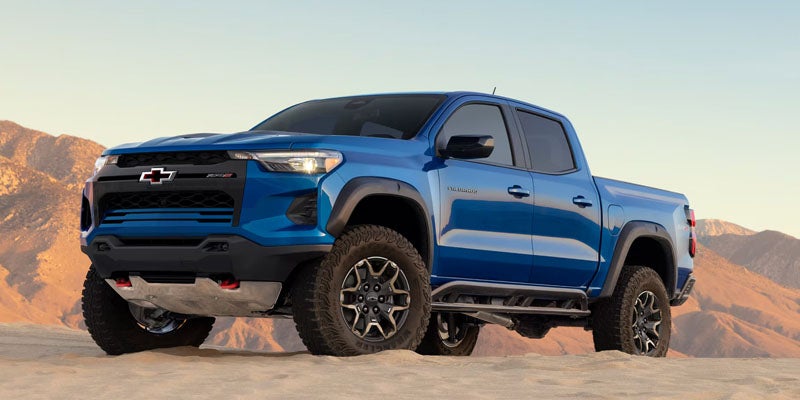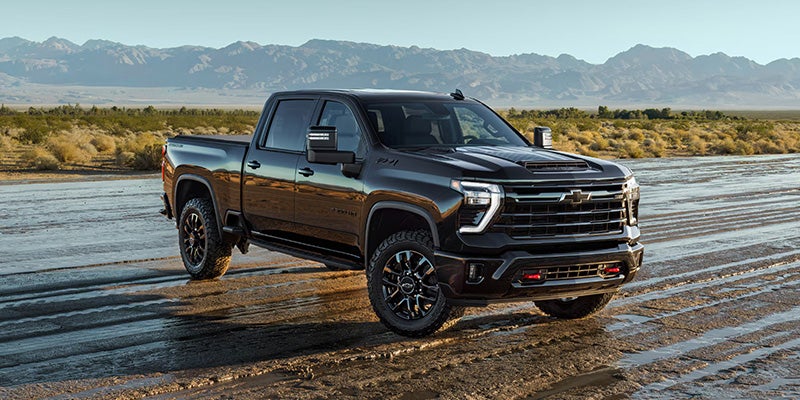
If you spend weekends on the Neuse River, the Pamlico Sound, or any of the coastal waterways near New Bern, North Carolina, finding the right Chevy truck for towing your boat is an important move. The size of your boat, the terrain you drive, and how often you haul all factor into which truck makes the most sense for your lifestyle. Chevrolet offers a strong lineup of trucks built for towing, and two models stand out for most boat owners in this region: the Silverado 1500 and the Colorado. Here’s what you need to know before you decide. Know Your Boat Weight First Before shopping for a Chevy truck for boat towing, you need to know what you’re actually pulling. A small aluminum fishing boat with a trailer might weigh 1,500 lbs. or less, while a center console with a trailer could push 5,000 lbs. or more. A larger offshore boat with a full-size trailer can reach 8,000 to 10,000 lbs. or beyond. Matching your truck's towing capacity to your rig is the single most important step in this process. Towing beyond a truck's rated capacity is unsafe and puts unnecessary wear on the drivetrain. Always check the specific trim and configuration for the towing numbers that apply to your setup. The Chevy Colorado - A Smart Option for Lighter Boats If you’re running a small bass boat, a jon boat, or a modest ski boat, the midsize Colorado’s towing capacity of 7,700 lbs. can cover your needs without the size and fuel demands of a full-size truck. The Colorado is easier to maneuver at boat ramps, especially at tighter access points common throughout Chevy towing Eastern North Carolina waterways. Its Best-in-Class standard torque of 430 lbs.-ft. gives you the muscle to overcome rocky roads and campsites, while its 3 trail-focused trims let you take on even more. For drivers who want a practical daily driver that can still handle weekend water duties, the Colorado is a strong contender. The Chevy Silverado - Built for Bigger Boats When your boat is on the larger side, the Silverado 1500 is in a different category entirely. This full-size ½-ton truck is available in multiple cab and bed configurations, with a range of engine options that can support serious towing demands, including a pair of V8 options topping out at 420 hp and 460 lbs.-ft. of torque. The Duramax® Turbo-Diesel engine enables a 13,300-lb. towing capacity and offers up to best-in-class highway fuel economy of 28 MPG. You’ll be eager to hit the road. For boats in the 6,000 to 9,000-plus pound range—think larger fiberglass bay boats, pontoons, or cabin cruisers—the Silverado gives you the power and stability to haul with confidence. Drivers throughout Chevy towing Eastern North Carolina rely on the Silverado for exactly this kind of regular, heavy-duty work. It also comes packed with trailering features designed to make hitching up and getting underway simpler. Silverado HD - When the Job Gets Bigger For those who regularly tow very large boats or work trailers on top of recreational use, the Silverado HD steps things up significantly. With heavier-duty components and higher tow ratings than the Silverado 1500, it’s built for those who simply need more. And by more, we mean towing up to 36,000 lbs. That’s some serious grunt for hauling heavy loads on the roads and highways that connect New Bern, NC, to the nearest boat ramps and marinas. Finding the Right Fit for Eastern North Carolina The waterways around New Bern and the broader Eastern North Carolina region offer some of the best boating in the state. Having a truck that can handle your specific rig reliably is essential to making the most of those opportunities. Whether you’re leaning toward the Colorado or the Silverado, the right Chevy truck for boat towing depends on your boat size, your driving habits, and how you use your truck the rest of the time. Visit Chevrolet of New Bern to explore current inventory, compare configurations, and find the truck that fits your life on and off the water.
Does Your Chevrolet Need a Wheel Alignment? Signs New Bern Drivers Should Know
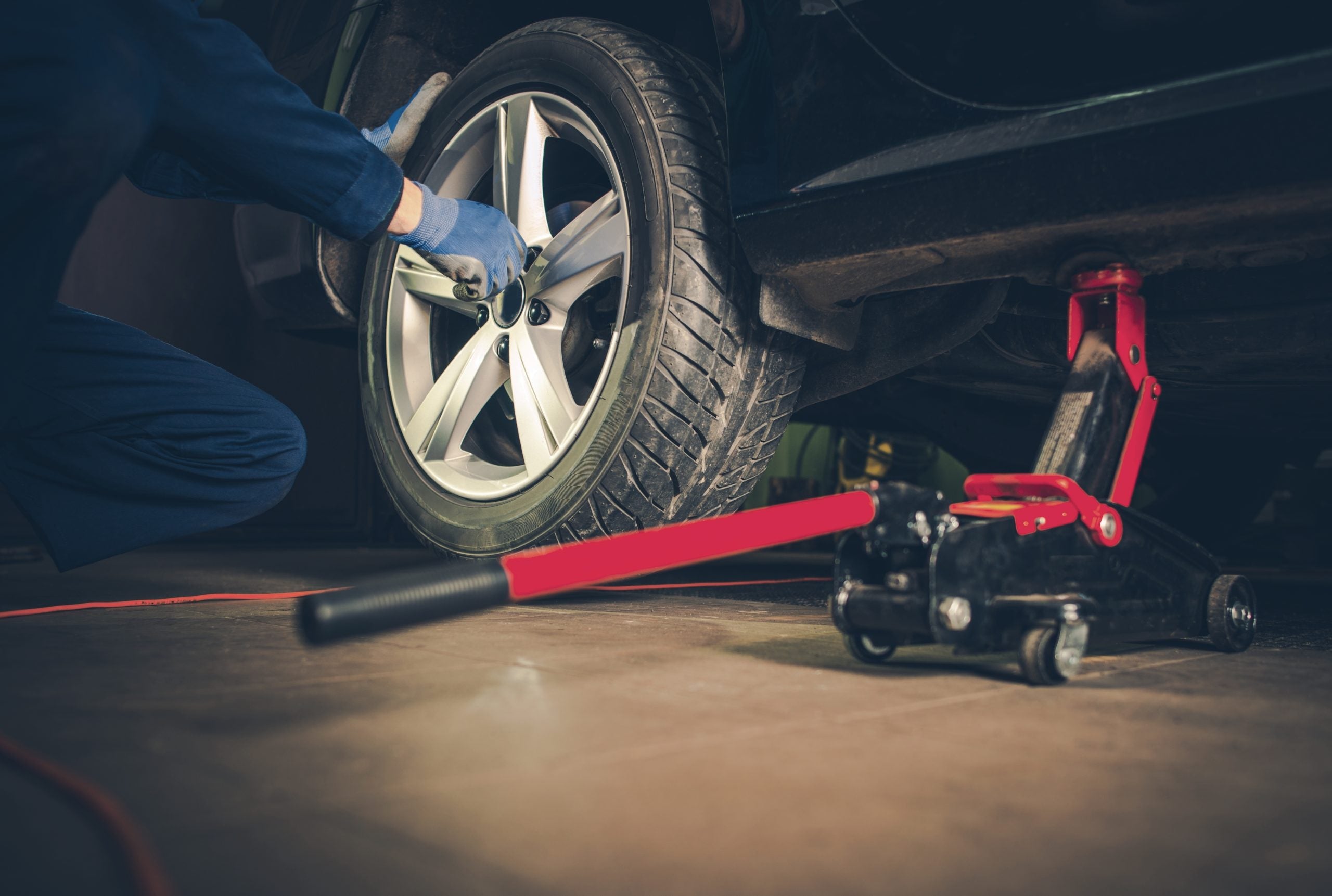
If you've noticed your Chevrolet pulling to one side or your steering wheel sitting at an odd angle in New Bern, NC, you may need to consider getting a Chevrolet wheel alignment. Wheel alignment is one of those maintenance items that's easy to overlook, but ignoring it can lead to bigger - and more expensive - problems down the road. What Is a Wheel Alignment and Why Is It Important? A wheel alignment adjusts the angles of your tires so they make proper contact with the road and point in the right direction relative to each other. When your alignment is off, even slightly, it affects how your Chevy handles, how quickly your tires wear, and even your gas mileage. Having the proper wheel alignment isn't just about comfort - it's about protecting your Chevy. Proper alignment keeps your suspension components working as intended and helps you get the most out of your tires. Common Signs Your Chevy Needs an Alignment Knowing the warning signs can save you from unnecessary tire and suspension wear. Here are some of the most common wheel alignment signs that something is off with your vehicle. Your Chevy may need an alignment if you notice the vehicle drifting or pulling to the left or right when you're driving straight. Another common wheel alignment sign is a steering wheel that appears crooked or off-center when you're pointed straight ahead. Uneven tire wear is also a reliable indicator. If one edge of a tire is wearing faster than the other, alignment is often the cause. You might also notice your vehicle vibrating at highway speeds or feeling less responsive when you steer. How Road Conditions Can Affect Alignment You know that roads aren't always smooth. Potholes, curbs, and rough pavement can knock your wheels out of alignment faster than normal wear would. Even a moderate impact can shift your alignment enough to cause noticeable handling changes. That's why you should bring your Chevy in for an alignment on a regular basis - not just when problems become obvious. Having your alignment checked at routine intervals helps catch issues early and keeps your ride smooth and predictable. How Often Should You Have Your Alignment Checked? Most automotive professionals recommend having your wheel alignment inspected at least once a year or every 12,000 miles. You should also consider having your alignment checked after hitting a large pothole, after having new tires installed, or after any suspension work. Chevrolet tire service often goes hand in hand with alignment checks. When you're getting new tires, a fresh alignment ensures they wear evenly right from the start and perform the way they're designed to. The Value of Staying on Top of Alignment Service Neglecting wheel alignment can lead to premature tire replacement, increased fuel consumption, and added stress on your steering and suspension systems. Keeping up with Chevy service in Eastern NC means your vehicle is safer, more efficient, and more comfortable to drive every day. Visit Chevrolet of New Bern for Expert Alignment Service If you're experiencing any of the wheel alignment signs covered here, don't wait. Scheduling a Chevrolet wheel alignment in New Bern, NC sooner rather than later protects your tires, improves your handling, and gives you a better and smoother ride. Stop by and see the service experts at Chevrolet of New Bern or visit us online to schedule your Chevrolet tire and alignment service in New Bern, and let the team help keep your vehicle driving at its best.